
The Art and Science of Wine Storage: From Wine Cellars to Modern Wine Cabinets
When it comes to storing wine with precision and style, Eurocave has become a benchmark for quality and innovation. Their wine cabinets are designed to protect every bottle as if it were a priceless treasure, and they represent just one of the many options available for keeping wine at its best.
For true wine lovers, proper storage isn’t simply about having a place to keep bottles — it’s a commitment to preserving the wine’s unique personality, flavour, and long-term value. A great bottle of wine is a living thing; its character changes over time. Without the right environment, even the rarest vintages can deteriorate before they are enjoyed.
This is where purpose-built storage solutions come into play. Whether you lean towards the charm of traditional wine cellars, the contemporary style of wine rooms, or the sleek practicality of wine cabinets, each option has its own strengths. In this article, we’ll dive into the fundamentals of wine storage, compare different solutions, and help you choose the one that best fits your needs, lifestyle, and budget.
Contents
Why Wine Storage Matters
Wine is sensitive — and easily influenced by its surroundings. The three most critical factors in wine preservation are:
- Temperature Stability – Wines prefer cool, consistent temperatures. Fluctuations can cause expansion and contraction in the liquid, potentially pushing the cork and allowing air in.
- Humidity Control – The right humidity prevents corks from drying out and shrinking.
- Protection from Light and Vibration – UV rays can break down wine compounds, and constant vibration can disturb sediment in aged wines.
Without controlled storage, wines may oxidise, lose aroma complexity, and develop off-flavours. That’s why serious enthusiasts often turn to wine cellars and other specialised solutions rather than relying on kitchen cupboards or general household storage.
Traditional Wine Cellars: A Legacy of Preservation
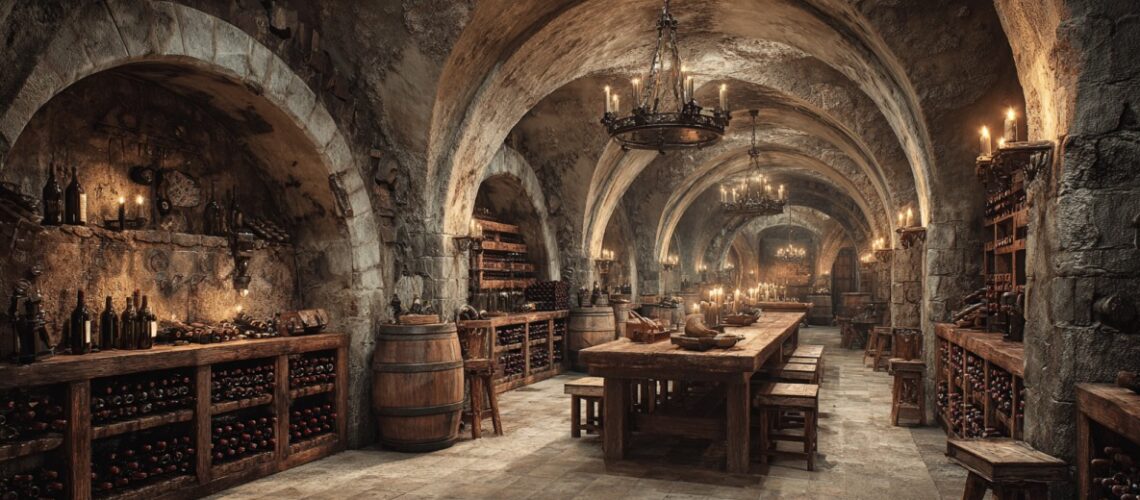
For centuries, wine cellars have been the gold standard for preservation. Historically, they were dug deep underground, using the earth’s natural insulation to maintain a stable environment year-round. The romance of a cellar — with rows of bottles resting in dim light, surrounded by cool stone — is part of wine culture itself.
Advantages of wine cellars:
- Naturally Regulated Conditions: Underground locations naturally keep a steady 10–15°C (50–59°F) temperature.
- Long-Term Ageing Potential: Ideal for wines intended to mature over decades.
- Large Storage Capacity: Perfect for collectors with extensive inventories.
However, the downside is accessibility and cost. Building a proper wine cellar requires space, construction expertise, and ongoing maintenance. For urban wine lovers, that can be a serious challenge.
Wine Rooms: The Modern Middle Ground
A wine room is essentially an above-ground version of a cellar, often built into a spare room, basement corner, or even part of a kitchen or dining area. They use climate-control systems to replicate the conditions of traditional wine cellars.
What makes wine rooms appealing is their ability to blend function and design. A glass-walled wine room can double as a home showpiece, allowing guests to admire your collection while still ensuring bottles are kept at optimal conditions.
Why choose a wine room?
- Flexibility in location.
- Can be custom-designed to match your home’s interior style.
- Easier to access than underground cellars.
They’re an excellent choice for medium-sized collections and for homeowners who see wine not only as a drink but as a conversation piece.
Wine Cabinets: Compact and Convenient
Not every wine lover needs a walk-in storage solution. Wine cabinets are purpose-built units that provide the same temperature, humidity, and light protection as a wine cellar, but in a much smaller footprint.
Today’s premium wine cabinets offer impressive technology:
- Digital Climate Control: Easily adjust and monitor settings.
- Vibration Dampening: Keeps wine sediment undisturbed.
- UV-Filtered Glass Doors: Allow display without harmful light exposure.
They’re ideal for apartments, smaller homes, or anyone wanting professional storage without major renovations.
How to Choose the Right Solution
Selecting between wine cellars, wine rooms, or wine cabinets depends on a few key factors:
- Collection Size: If you store hundreds of bottles, a cellar or wine room might be more practical.
- Available Space: Apartments or smaller homes often benefit from wine cabinets.
- Budget: A custom-built cellar can cost tens of thousands, while quality cabinets start at a few hundred.
- Ageing Goals: Long-term ageing requires more stable conditions, best achieved with cellars or high-end cabinets.
- Display Preferences: Do you want your collection hidden away or on full display?
Technology in Modern Wine Storage
Wine storage has evolved far beyond brick and mortar. Today’s systems often feature:
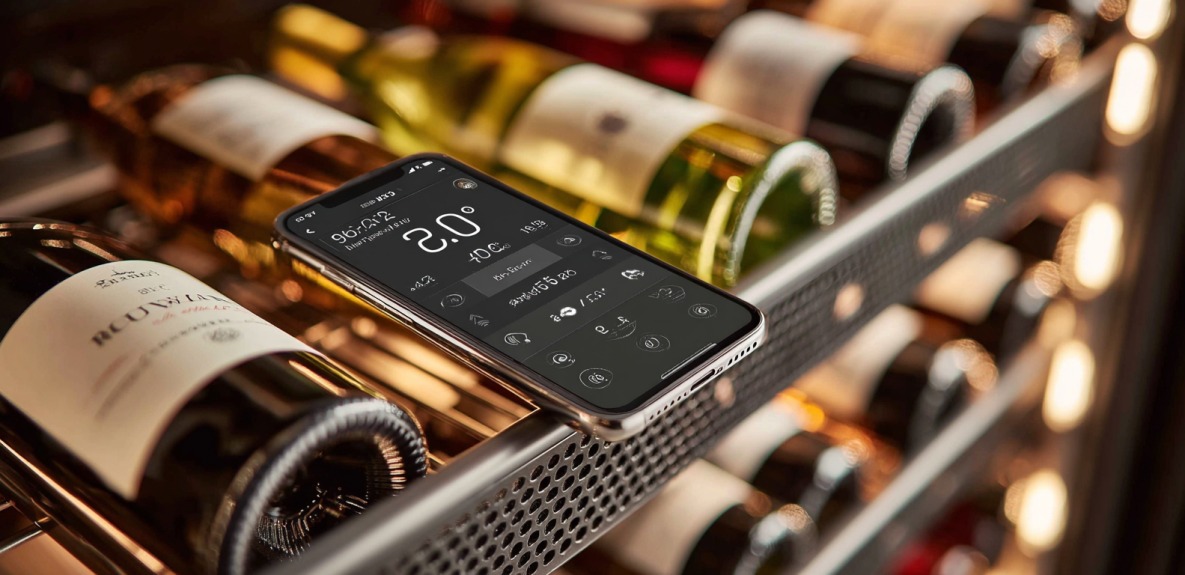
- Smartphone Monitoring Apps to check temperature and humidity remotely.
- Automated Alerts for environmental changes.
- Inventory Management Software to track bottle locations, vintages, and tasting notes.
This fusion of tradition and innovation ensures that whether you store wine in a centuries-old cellar or a modern cabinet, your collection receives the same care and precision.
Conclusion
Wine storage is both a practical necessity and a reflection of passion. The grandeur of traditional wine cellars, the stylish flexibility of wine rooms, and the convenience of wine cabinets each serve different needs — but all share the same goal: preserving wine at its peak. Whether you’re ageing rare vintages for decades or simply keeping a few bottles ready for special occasions, choosing the right storage will ensure every sip tastes exactly as it should.
Frequently Asked Questions (FAQs)
-
Why can’t I just store wine in my kitchen?
The kitchen is prone to temperature fluctuations and light exposure, both of which are harmful to wine. Proper storage requires stability and darkness.
-
How long can wine be stored in a wine cabinet?
With correct temperature and humidity, bottles can be aged for years, even decades, without losing quality.
-
What’s the main difference between wine cellars and wine rooms?
Wine cellars are typically underground with natural insulation, while wine rooms are above-ground and climate-controlled using technology.
-
Do I need a humidifier in my wine cellar?
Yes, if the humidity drops below 60%. Dry corks can lead to oxidation, ruining wine.
-
Are expensive wine cabinets worth the investment?
For valuable collections, premium cabinets provide unmatched precision, longevity, and aesthetic appeal — protecting both flavour and value.

No Comments