
Best Cheeses for Macaroni and Cheese: Choosing and Blending
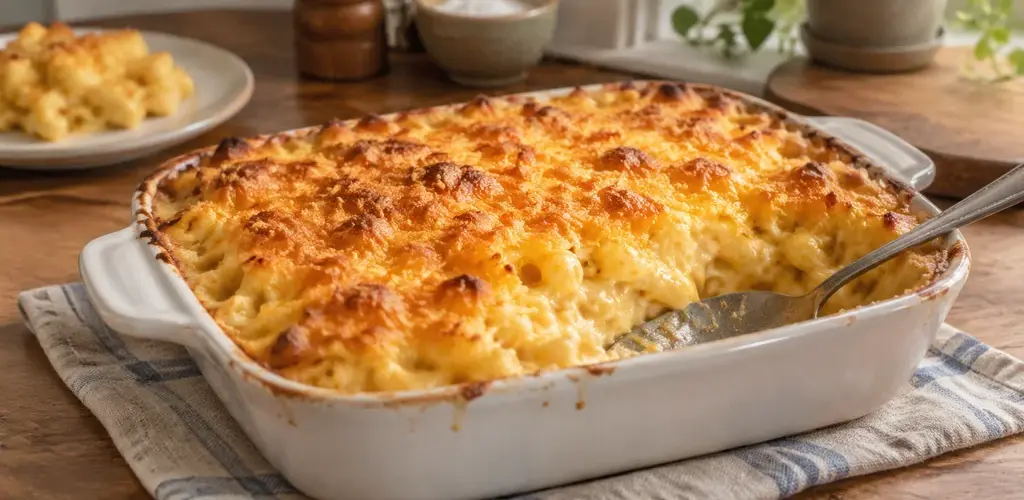
The best cheeses for macaroni and cheese are a blend of a sharp, flavorful cheese and a smooth melting cheese. Cheddar supplies the familiar tang, while Gruyère, Fontina, or Monterey Jack carry the melt. A small amount of Parmesan adds a salty edge, and processed American cheese helps keep the sauce from breaking.
Contents
Why a Blend Beats a Single Cheese
A single cheese can deliver flavor or texture, but rarely both at once. Sharp Cheddar tastes like the dish everyone remembers, yet it can turn grainy when heated hard. A soft melting cheese like Fontina or Monterey Jack goes silky but stays mild. Combining them solves both problems in one pot.
The classic ratio is roughly two parts melting cheese to one part sharp cheese, though you can adjust by taste. Aged cheeses bring more flavor per ounce, so a little goes a long way. Fresh cheeses bring moisture, which can thin the sauce if you overdo them.
The pasta itself matters too. Elbow macaroni is traditional because its curve traps sauce, but rotini, cavatappi, and shells all hold a coating well. Cook the pasta just shy of done so it finishes in the oven without turning to mush.
Fat carries flavor, and dairy fat does it best. Whole milk, half-and-half, or a splash of cream gives the sauce body. Skim milk works, but the result tastes thinner and can separate. Butter in the roux adds richness that low-fat dairy cannot match.
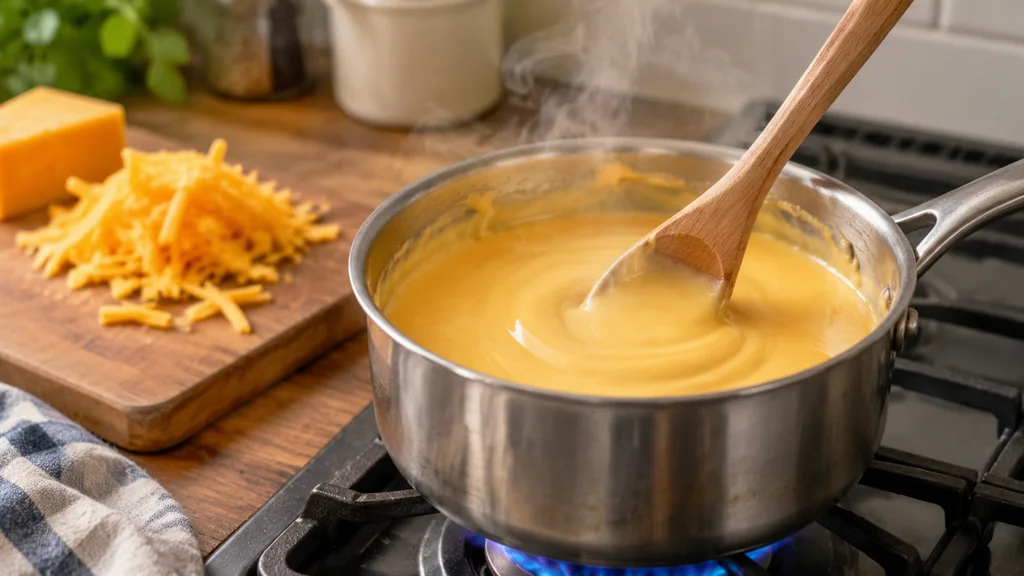
The Melting Cheeses: Your Sauce Base
These cheeses make up the bulk of the blend because they melt without turning oily or grainy.
- Gruyère is the gold standard for macaroni and cheese. It melts smoothly and brings a nutty, slightly sweet flavor that pairs well with Cheddar. It costs more than supermarket Cheddar, so many cooks use it as half the blend.
- Fontina is soft, buttery, and mild. It melts beautifully and adds creaminess without overpowering the other cheeses. Look for Italian Fontina rather than the domestic versions, which can be firmer.
- Monterey Jack is the budget-friendly melter. It is mild and creamy, and it takes on the flavor of sharper cheeses around it. Pepper Jack is the same cheese with chiles added, which suits anyone who wants heat.
- Gouda, especially the younger, softer wheels, melts well and brings a caramel note. Aged Gouda is better grated over the top than stirred into the sauce.
- Havarti is another soft, mild option with good melt. It is easy to find and forgiving of temperature swings.
Keep the heat low when you add these cheeses. High heat is what makes cheese sauce break into a greasy pool. Pull the pan off the burner before the last handful goes in and stir until it disappears.
The Flavor Cheeses: Sharp Cheddar and Friends
These cheeses do the heavy lifting on taste. Use them in smaller amounts and grate them finely so they melt evenly.
- Sharp Cheddar is the backbone of most macaroni and cheese dishes. Extra-sharp brings a tang that cuts through the cream. White and orange Cheddar taste the same; the color comes from annatto, a natural dye.
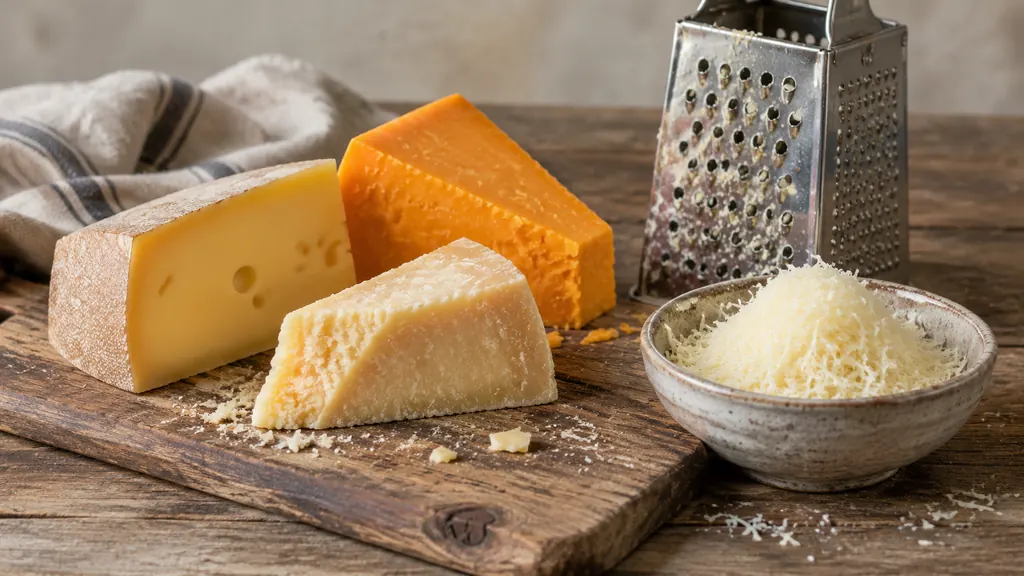
- Parmesan is salty and nutty. A handful stirred in at the end sharpens the whole sauce. Use the real wedge and grate it yourself, since the shaker can is mostly cellulose and salt.
- Pecorino Romano is sharper and saltier than Parmesan. Use it sparingly and cut back on added salt.
- Swiss or Emmental brings a mild nuttiness and melts well, though it can string. It works best in a blend rather than alone.
- Blue cheese is a divisive choice. A small amount crumbled into the sauce adds a savory depth that most people cannot name. Start with a little and taste.
A good rule is to grate your sharp cheese on the fine side of a box grater. Coarse shreds melt slower and can leave little pockets of unincorporated cheese in the finished dish.
Cheeses to Avoid or Use With Care
Some cheeses sound like a good idea and then ruin the pot. Knowing which ones to skip saves a whole batch.
- Very aged or hard cheeses alone turn grainy. Parmesan and aged Gouda need a melting partner.
- Fresh mozzarella releases water as it heats and can leave the sauce soupy. Low-moisture mozzarella is the better choice if you want mozzarella flavor.
- Cream cheese adds richness but can make the sauce heavy and slightly sour. A spoonful is plenty.
- Feta and goat cheese bring strong flavors that dominate. They suit a specialty version, not the classic.
- Pre-shredded cheese is coated with anti-caking agents that keep it from clumping in the bag. Those same agents can keep it from melting smoothly in your sauce. Grate from a block when you can.
If you only have pre-shredded cheese on hand, toss it with a little flour before adding it. The flour helps the shreds disperse and thickens the sauce slightly.
A Simple Blending Method
This is the procedure most home cooks settle on after a few tries. It produces a smooth sauce with real cheese flavor and a crust that browns.
- Cook the macaroni in salted water until just underdone, then drain and set aside.
- Make a roux by melting butter in a heavy saucepan and whisking in an equal amount of flour. Cook it for a minute or two until it smells toasty.
- Whisk in whole milk a little at a time, then simmer until the sauce coats the back of a spoon.
- Take the pan off the heat and stir in the grated melting cheese first, then the sharp cheese, a handful at a time.
- Season with mustard powder, a pinch of nutmeg, salt, and black pepper, then fold in the pasta.
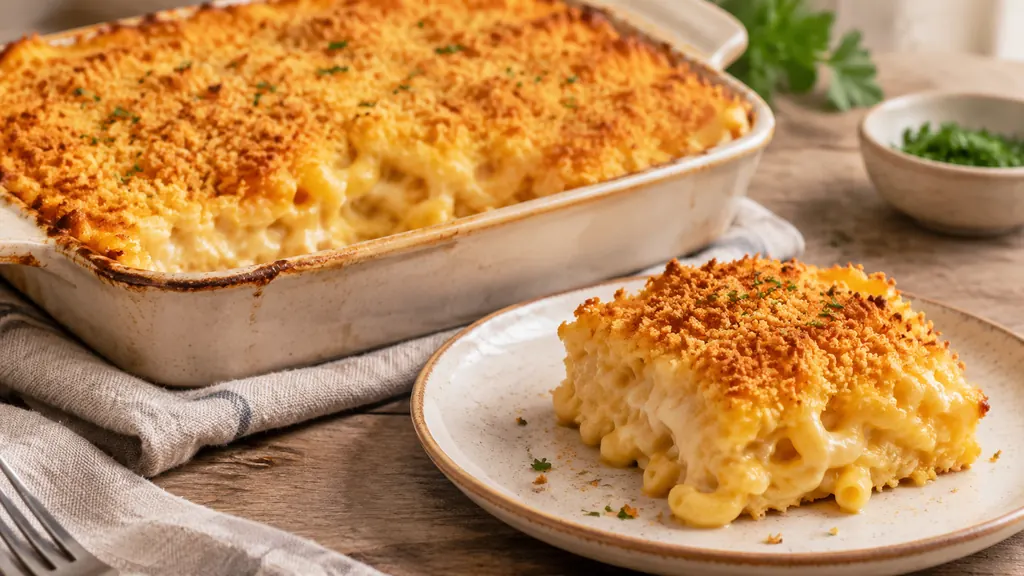
- Turn the mixture into a buttered baking dish, top with buttered breadcrumbs, and bake until the top is golden and the sauce bubbles at the edges.
The oven step is optional. Stovetop macaroni and cheese is faster and stays creamier. The baked version wins on texture, especially when the crumb topping is generous. My baked mac and cheese recipe with a crunchy top walks through the topping in detail.
If you want a dinner that comes together fast on a weeknight, a sheet pan chicken fajita recipe shows how a single pan can carry a whole meal. For lighter protein options to serve alongside, ground chicken dishes for lighter dinners gives you several ideas that pair well with a rich pasta bake.
Getting the Sauce Smooth Every Time
Most cheese sauce failures come from heat and timing, not from the cheese itself.
Grate the cheese before you start. Once the sauce is ready, you want to stir without stopping. Cold, hard chunks drop the temperature and encourage clumping.
Add cheese off the heat. Residual warmth is enough to melt it. If the sauce cools too much, return it to low heat and stir constantly.
Use a little mustard powder or a splash of Worcestershire sauce. Both are traditional additions that sharpen the cheese flavor without tasting like mustard or fish.
If the sauce does break, take it off the heat and whisk in a spoonful of warm milk or a knob of butter. A broken sauce can often be pulled back together this way. If it stays grainy, strain it and start the cheese step again with a fresh batch of white sauce.
Salt the pasta water, but go easy on salt in the sauce. Cheddar and Parmesan are already salty, and the dish tightens as it bakes.
When to Call a Pro (or Just Buy Better Cheese)
Macaroni and cheese is forgiving enough that most problems are solved in the kitchen. There is no repair technician for a broken sauce.
Where a pro helps is at the cheese counter. A good cheesemonger can suggest a melting cheese with the flavor profile you want, and can tell you which wheels are at their best. That conversation is worth more than any recipe substitution chart.
If you are cooking for a crowd, ask the counter to grate the cheese for you. Freshly grated cheese from the shop melts better than the bagged kind, and the staff will often do it while you shop.
For anyone with dietary limits, check the label on processed cheeses and shreds. Some contain added starches and gums that change how they melt. Your local rules on food labeling can tell you what must be declared, and the package will list what is actually inside.
Cheeses for Macaroni and Cheese FAQ
What is the best single cheese for macaroni and cheese?
Sharp Cheddar is the most common choice because it delivers the familiar tang, but it melts best when blended with a softer cheese like Monterey Jack. Used alone, an extra-sharp Cheddar can turn grainy under high heat.
Can I use mozzarella in macaroni and cheese?
Low-moisture mozzarella melts well and stretches, and it works as part of a blend. Fresh mozzarella releases water as it heats and can make the sauce thin, so drain it well and use it sparingly.
Why did my cheese sauce turn grainy?
Grainy sauce usually comes from too much heat or from adding cheese to a boiling liquid. Take the pan off the burner before stirring in the cheese, and add it a handful at a time while stirring constantly.
How much cheese should I use for a batch of macaroni and cheese?
A generous amount of cheese relative to the pasta is the usual guide, and the exact figure depends on the size of your dish and how sharp the cheese is. Start with a blend weighted toward melting cheese, then adjust after the first batch.
Can I make macaroni and cheese ahead of time?
Yes. Assemble the dish, cover it, and refrigerate it before baking. Add the crumb topping just before it goes in the oven so it stays crisp, and give the cold dish a few extra minutes in the oven.


No Comments