
Chicken Breast Recipes That Stay Juicy
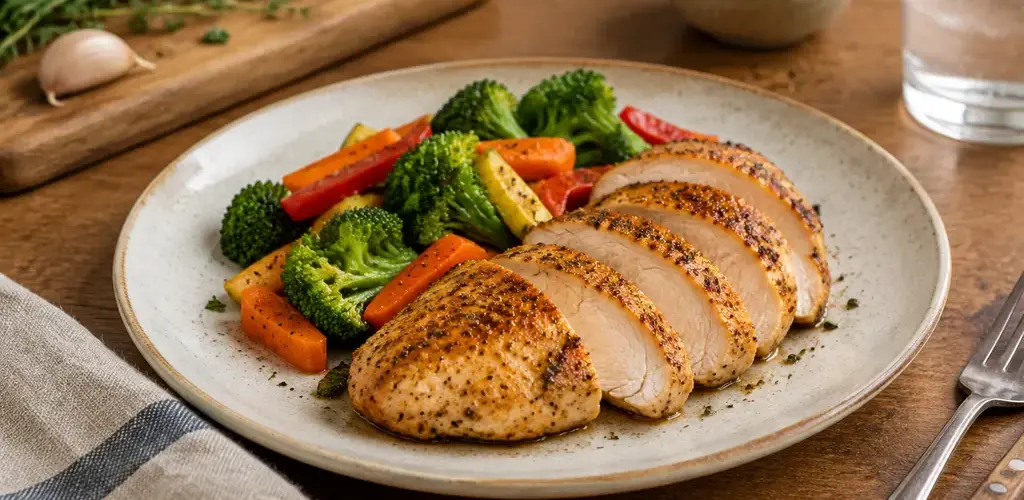
Chicken breast turns out dry for one main reason: it is cooked past the point where the muscle fibers hold moisture. The fix is not a secret ingredient. It is a combination of a short brine or marinade, a hot pan or oven, and a thermometer that tells you when to stop. Get those three things right and almost any chicken breast recipe will come out tender.
Contents
Why Chicken Breast Dries Out So Fast
A chicken breast is a lean cut with very little fat marbled through the meat. Fat carries flavor and helps meat stay moist during cooking. A cut without much of it has less room for error. The protein fibers also tighten as they heat, squeezing out water. Once the internal temperature climbs past the point where those fibers contract hard, the moisture is gone. No sauce brings it back.
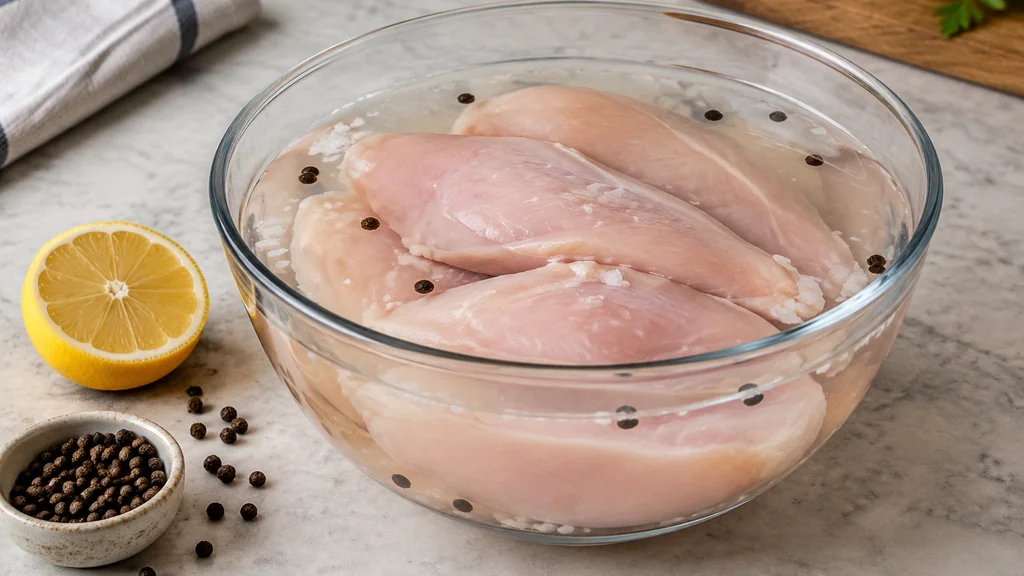
That is why a recipe that works perfectly for chicken thighs can fail with breast meat. Thighs have more fat and connective tissue, so they forgive a few extra minutes in the pan. Breast meat does not. A wet brine of salt and water, or a buttermilk marinade, gives the lean meat more margin. Both add moisture before the heat ever reaches the meat.
The good news is that the window between perfectly cooked and overcooked is wide enough to hit if you pay attention. A digital thermometer takes the guesswork out. A short soak in salt water or a simple marinade buys you a little extra margin, and a few minutes of rest on the board lets the juices settle back into the fibers before you slice.
The Basic Method That Works for Almost Any Recipe
Most juicy chicken breast recipes follow the same backbone. Once you learn it, you can swap the seasoning and the sauce and get a different dinner every night.
- Pat the breasts dry and trim any visible fat or sinew.
- Brine in salt water or marinate.
- Heat a skillet or oven to a moderate temperature with a little oil.
- Cook the chicken without moving it until the first side is golden.
- Flip once and continue until a thermometer reads the safe internal temperature.
- Rest the meat on a cutting board for a few minutes before slicing.
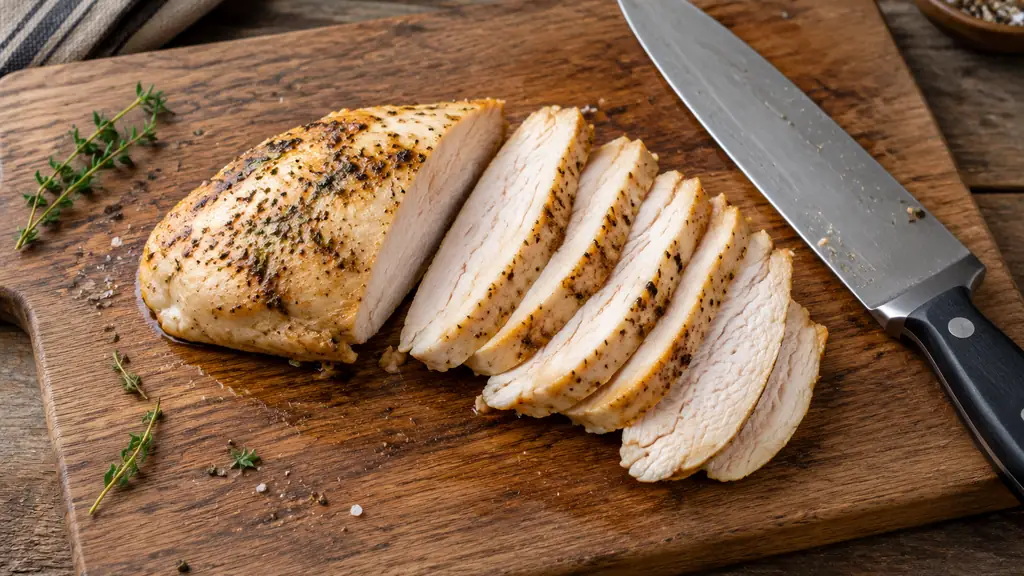
- Slice against the grain so each piece stays tender.
The rest step matters more than most people think. During cooking, juices are pushed toward the center of the meat. Letting the breast sit for a few minutes lets those juices redistribute. They stay in the slices instead of running onto the board.
If you pound the breasts to an even thickness first, they cook at the same rate all the way through. That single step prevents the thin end from drying out while the thick end is still raw.
Brining, Marinating, and Other Ways to Add Moisture
A wet brine is just salt and water, sometimes with sugar or aromatics. The salt does two things. It seasons the meat all the way through, and it helps the muscle fibers hold onto water during cooking. Even a short soak makes a noticeable difference. A dry brine with plain salt works the same way, with less liquid on the counter.
A marinade works a little differently. Acidic ingredients like lemon juice or vinegar tenderize the surface, while olive oil carries flavor. Do not leave chicken in a strongly acidic marinade for too long, because the acid will start to break down the surface texture and make it mushy.
A dry brine is the easiest option of all. Sprinkle salt over the breasts, leave them uncovered in the refrigerator for a while, and let the salt do its work. The surface dries slightly, which helps it brown better in the pan.
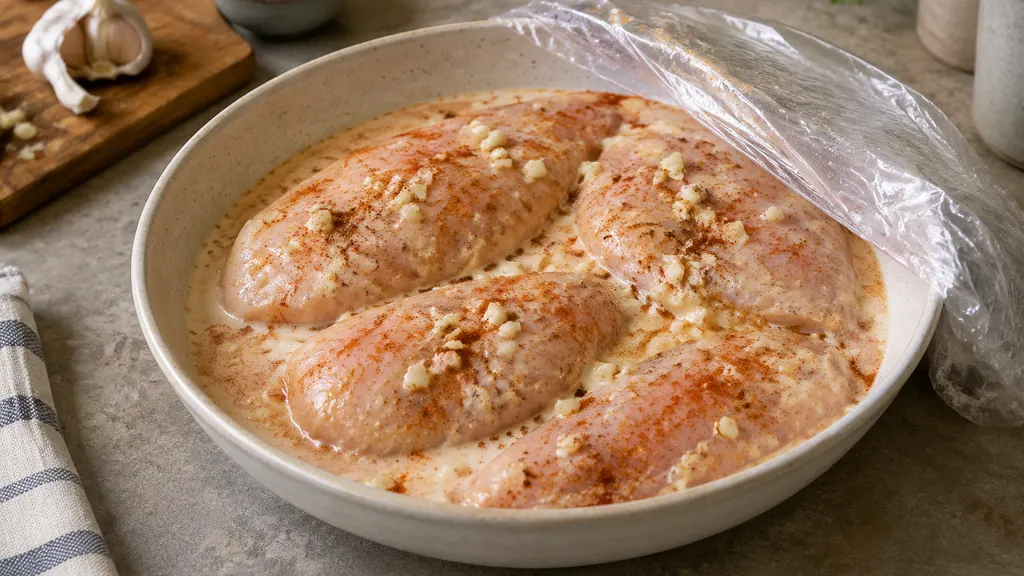
Buttermilk, plain yogurt, and olive oil all work as marinade bases. Each one clings to the meat and helps it stay moist. Pick whichever you have on hand and build the flavor from there with garlic, paprika, or herbs.
Recipes Using Chicken Breast for Weeknight Dinners
Once the basics are in place, the recipes themselves are simple variations on a theme.
Pan-seared with pan sauce. Sear the breasts, then set them aside. Add broth, a splash of cream, and a spoonful of mustard to the hot pan, scraping up the browned bits. A creamy Dijon sauce like the one in this chicken cordon bleu sauce recipe works on plain seared breasts just as well as it does on a stuffed cutlet. Slice the rested chicken and spoon the sauce over the top.
Sheet pan with vegetables. Toss chopped vegetables with oil and salt, spread them on a sheet pan, and nestle the seasoned breasts among them. Roast everything together until the chicken reaches temperature. The vegetables release steam that helps keep the meat from drying out.
Poached and shredded. Simmer the breasts gently in seasoned broth until cooked through, then shred with two forks. Shredded poached chicken holds sauce well and works in tacos, soups, and grain bowls. The poaching liquid doubles as a light broth.
Grilled with a glaze. Brush the breasts with a glaze during the last few minutes on the grill. A glaze with sugar in it burns quickly, so add it late and watch closely.
Stir-fried in strips. Slice the raw chicken thinly against the grain, toss it with a little cornstarch, and cook it fast over high heat. The cornstarch coating protects the surface and keeps the strips tender.
If you are cooking with health goals in mind, these chicken healthy recipes for weight loss pair well with the methods above. You can also build a lighter midday meal around cold sliced chicken from this list of healthy lunch recipes for weight loss.
Common Mistakes That Ruin a Good Recipe
Most dry chicken comes down to a handful of avoidable errors.
- Cooking by time instead of temperature. Ovens and pans vary, so a recipe’s stated minutes are a starting point, not a guarantee. Use a thermometer.
- Starting with cold meat. Let the breasts sit at room temperature for a short while before cooking so they heat evenly.
- Skipping the rest. Slicing immediately sends the juices onto the cutting board.
- Overcrowding the pan. Too many pieces at once trap steam and steam the meat instead of searing it.
- Slicing with the grain. Cut across the fibers for shorter, more tender pieces.
- Reheating too hard. A microwave on high will dry out already-cooked chicken. Use a lower setting and cover it. A splash of broth or a spoonful of pan sauce adds back moisture.
A cast iron skillet, a stainless pan, or a rimmed sheet pan will all get the job done. Heavy cookware holds heat better, which gives you a more even sear. If you use nonstick, keep the heat moderate so the coating lasts.
Storing and Reheating Without Drying It Out
Cooked chicken keeps in the refrigerator for a few days in a sealed container. Refrigerate it promptly. For longer storage, wrap portions tightly and freeze them.
Reheating is where leftover chicken often loses its edge. A gentle method beats a fast one. Warm sliced chicken in a covered skillet with a splash of broth, or reheat it in the oven at a low temperature. The added moisture turns to steam inside the cover and keeps the meat from toughening.
If you plan to eat chicken cold in salads or wraps, slice it after it has chilled. Cold meat holds its shape better and slices more cleanly.
Chicken Breast FAQ
How do I know when chicken breast is done?
Use a digital thermometer inserted into the thickest part of the breast. It should read the safe internal temperature recommended for poultry. Let the meat rest a few minutes before slicing, since the temperature will continue to rise slightly as it sits.
Should I brine chicken breast before every recipe?
No. A brine helps most with plain roasted, grilled, or pan-seared breasts. If your recipe already has a salty marinade or a salty sauce, you can skip the brine to avoid over-seasoning the meat.
Can I cook chicken breast from frozen?
Yes, but the results are better if you thaw it first. Frozen breasts cook unevenly, with the outside drying out before the center is safe. If you are short on time, poach or simmer the frozen breast gently in liquid rather than searing it.
Why does my chicken breast taste rubbery?
Rubbery texture usually means the meat was overcooked or cooked too fast over high heat. Slow the cooking down, pull the chicken at the right internal temperature, and let it rest. A short marinade with a little acid or buttermilk also helps the texture.
What is the best way to keep meal-prepped chicken moist?
Store it with a little of its cooking liquid or sauce, seal the container, and reheat gently. Slicing the chicken before storing exposes more surface area, so keep pieces whole until you are ready to eat them when you can.



No Comments